



With the continuous improvement of China's economic level and the enhancement of environmental awareness among all parties, the VOCs generated in the production process of enterprises have begun to attract more attention.
In the production process of enterprises, the five major sources of unorganized emissions of VOCs are the storage, transfer, and transportation of VOCs containing materials (including VOCs containing raw and auxiliary materials, VOCs containing products, VOCs containing waste materials, and organic polymer materials), equipment and pipeline component leaks, open liquid level emissions, and process flows.
Enterprises are important entities in environmental protection, and controlling the unorganized emissions of VOCs by enterprises is an important part of effective VOCs management. Among them, in addition to complying with the emission standards of their respective industries, enterprises can also achieve the goal of reducing unorganized emissions of VOCs by adopting measures such as equipment and site sealing, process improvement, and effective collection of waste gas.
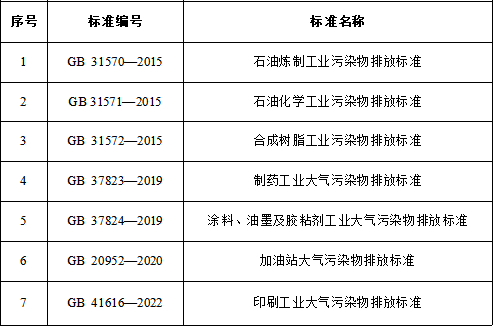
-Emission standards for some key industries-
measure 01
Store and manage materials containing VOCs in enclosed areas

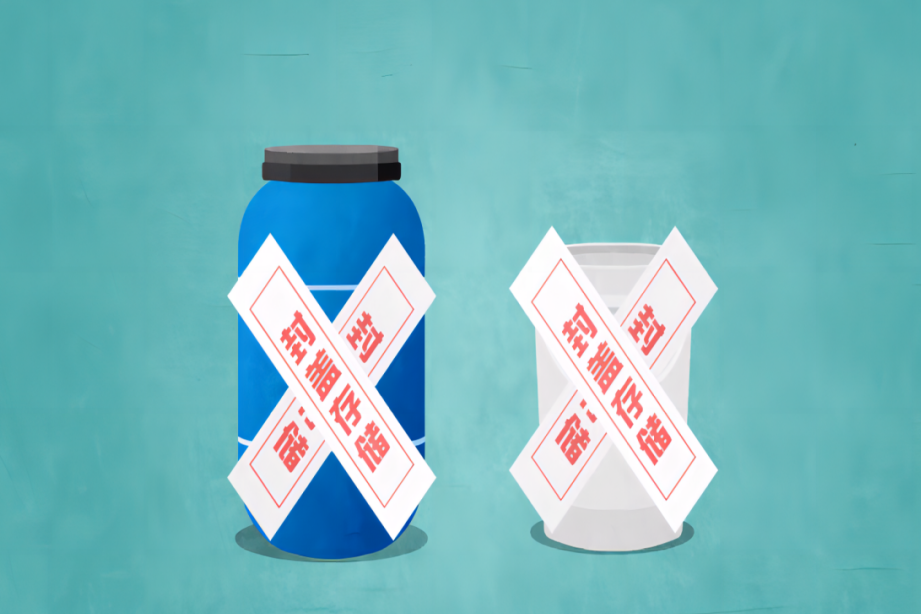

VOCs containing materials should be stored in sealed containers, packaging bags, efficient sealed storage tanks, enclosed warehouses, silos, etc. The transfer and transportation of materials containing VOCs should be carried out using closed pipelines or containers, tank trucks, etc. The collection, storage, and treatment process of high VOCs content wastewater (with VOCs detection mass concentration exceeding 200 mg/L at a height of 100 mm above the wastewater surface, with key areas exceeding 100 mg/L, calculated as carbon) should be covered and sealed. Effective collection measures should be taken or operations should be carried out in enclosed spaces during the production and use of VOCs containing materials.
measure 02
Improve production processes to achieve VOCs emission reduction
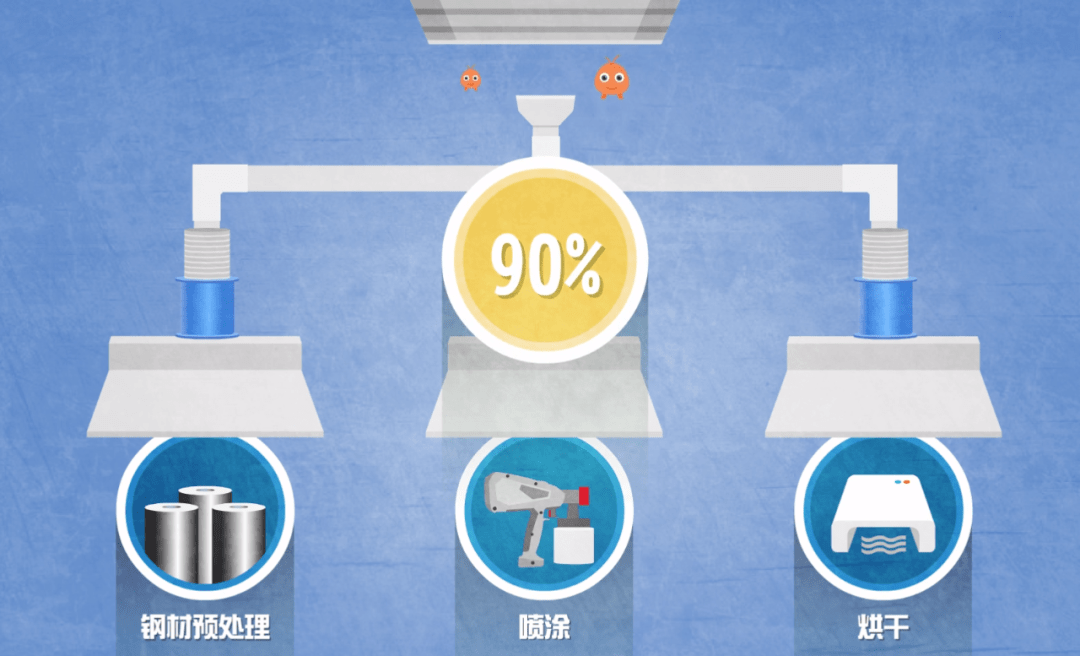
Upgrade of production line technology
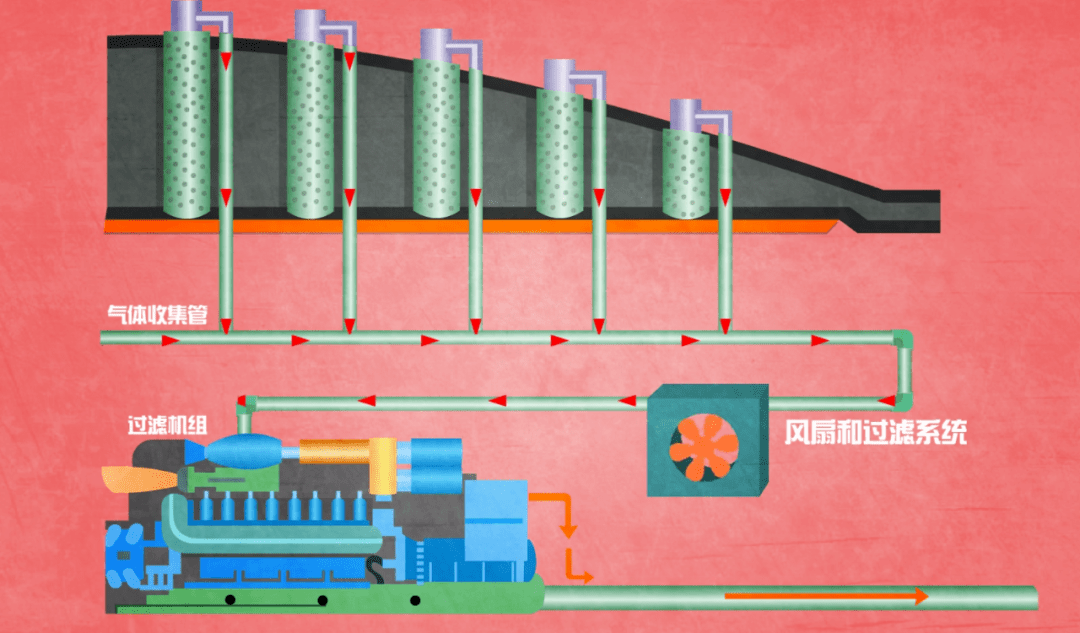
exhaust system
At present, the advanced production technology for reducing VOCs emissions mainly adopts fully enclosed, continuous, automated and other technologies, as well as efficient process equipment, effectively reducing unorganized emissions in the process.
Bottom loading is preferred for loading volatile organic liquids.
Petrochemical and chemical industries
We will focus on promoting the use of low (no) leakage pumps, compressors, filters, centrifuges, drying equipment, etc., and promote the adoption of oil online blending technology, closed circulating water cooling systems, etc.
Industrial coating industry
We will focus on promoting the use of compact coating processes, promote the adoption of roller coating, electrostatic spraying, high-pressure airless spraying, air assisted airless spraying, thermal spraying and other coating technologies, encourage enterprises to use automated and intelligent spraying equipment to replace manual spraying, and reduce the use of air spraying technology.
Packaging and Printing Industry
Vigorously promote the use of solvent-free composite, extrusion composite, and co extrusion composite technologies, and encourage the use of printing processes such as water-based gravure printing, alcohol water gravure printing, radiation curing gravure printing, flexographic printing, and waterless offset printing.
measure 03
Improve the collection rate of VOCs exhaust gas
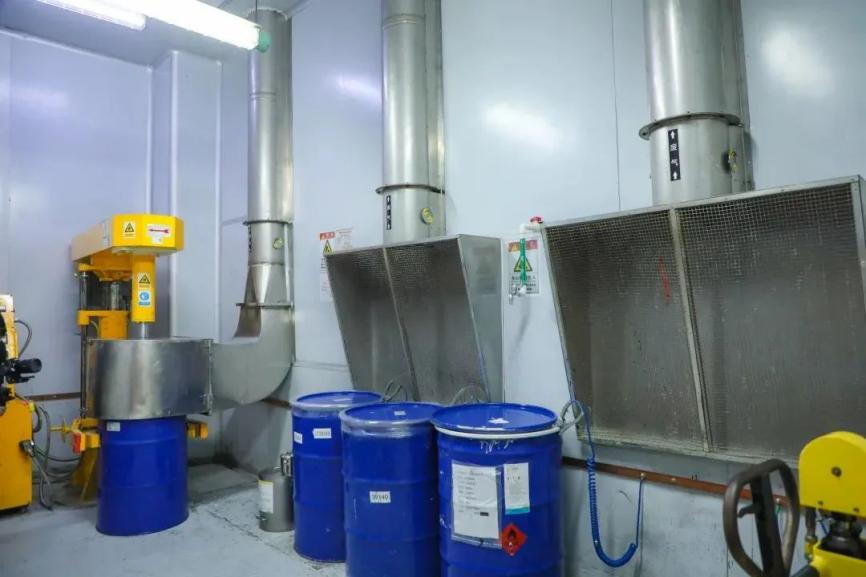
windowfree workshop
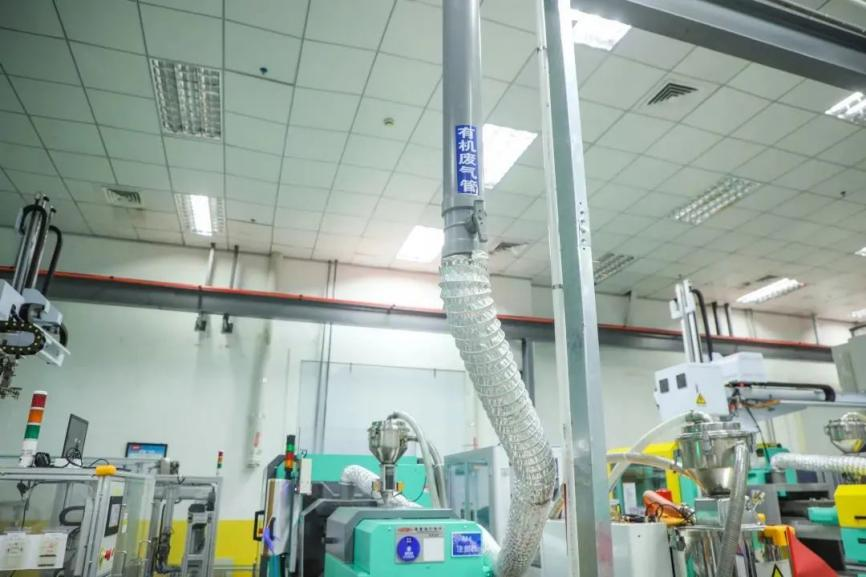
Organic waste gas collection pipe
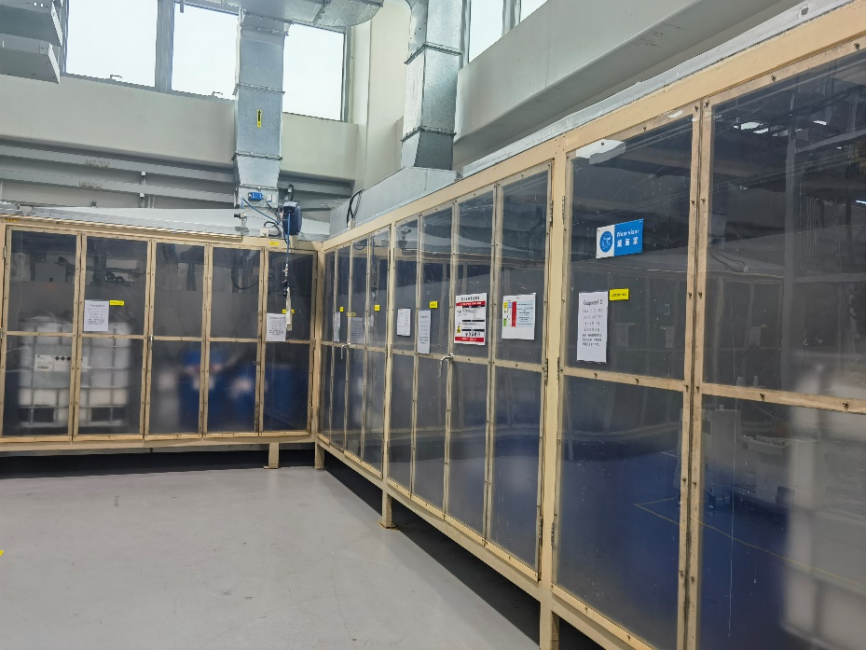
Partial fully enclosed gas collection hood
Following the principle of "collecting all receivables and collecting according to quality", scientifically design the exhaust gas collection system to transform unorganized emissions into organized emissions for control.
Unless there are special requirements in the industry, a slight negative pressure state should be maintained, and the ventilation volume should be set reasonably according to relevant regulations.
The unorganized emission position of VOCs at the farthest distance from the opening of the gas collection hood should have a controlled wind speed of not less than 0.3 m/s, and industry requirements should be followed according to relevant regulations.
Enterprises should conduct inspections and rectification of their overall production chain to meet the requirements of unorganized emission standards. At the same time, enterprises should establish a ledger to record specific information about each stage of VOCs containing materials, such as:
(1) Record the names, usage amounts, recycling amounts, waste amounts, destinations, and VOCs content of raw materials and products containing VOCs;
(2) Record the main operation and maintenance information of the exhaust gas collection system and VOCs treatment facilities, such as operating time, exhaust gas treatment capacity, operating temperature, residence time, adsorbent regeneration/replacement cycle and amount, catalyst replacement cycle and amount, absorption solution pH value and other key operating parameters;
(3) For equipment and pipeline components carrying gaseous and liquid VOCs materials with a sealing point of at least 2000, strict leak detection and repair (LDAR) work shall be carried out in accordance with emission standards, with special emphasis on strengthening quality control. Leak detection requires the establishment of a ledger to record the detection time, instrument readings, repair time, and repair measures taken. After repair, check the instrument readings, etc.
The retention period of the above ledger shall not be less than 5 years.
pay attention to
Enterprises in the petrochemical, chemical, pharmaceutical, pesticide and other industries should arrange reasonable maintenance plans, and, on the premise of ensuring safety, try not to arrange whole plant start-up and shutdown, overall plant shutdown and maintenance, and tank cleaning operations during the period of July to September, in order to reduce VOCs emissions under abnormal working conditions; If it cannot be adjusted, it is necessary to strengthen the control of VOCs emissions during the start-up and shutdown periods, as well as during cleaning, material return, blowing, emptying, and drying processes, to ensure compliance with standard requirements.
Enterprises should implement technological upgrades, strengthen unorganized emission management, establish long-term mechanisms for VOCs pollution prevention and control, and promote the green development of the industry!


