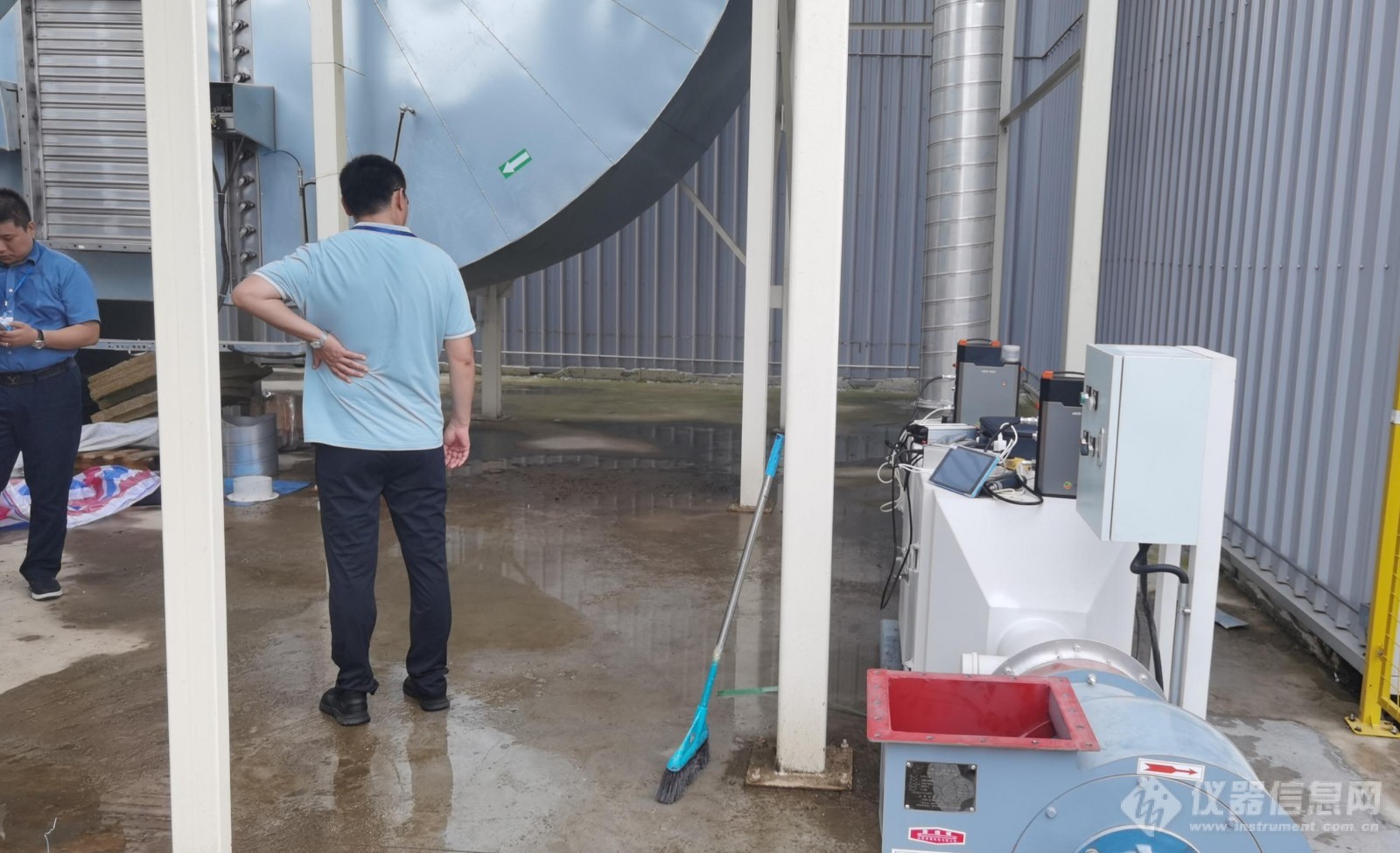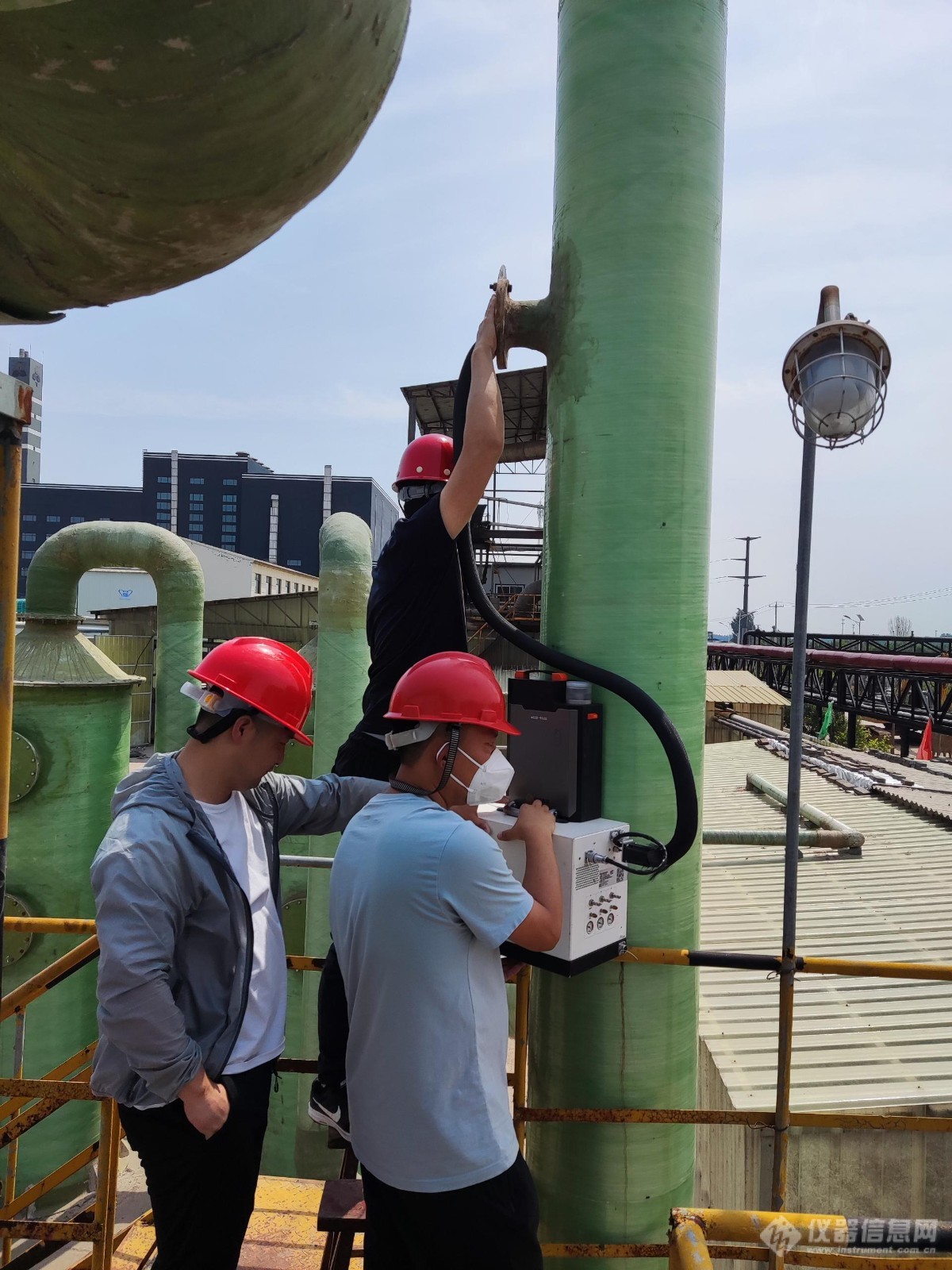


product overview
This instrument uses a built-in hydrogen oxygen generator as the gas source, without additional gas consumption. The total weight of the machine is ≤ 5.5kg, and the preheating time is ≤ 10min. It is extremely portable and can quickly complete routine detection of non methane total hydrocarbons on site.
Working principle
GC-FID: Using stable chromatographic separation technology to separate volatile organic compounds. After separation, the gas is added to a hydrogen flame ionization detector and burned to form charged ions. The ions form an ion current under the action of an electric field, and the concentration of VOCs is determined by measuring the magnitude of the ion current.
Electrolysis of water to produce hydrogen and oxygen: electrolyzed water that meets the requirements is sent into an electrolysis cell. After being powered on, the cathode of the electrolysis cell produces hydrogen gas and the anode produces oxygen gas. The two are separated by water and gas, dehumidified by a dryer, and adjusted to the rated pressure by a pressure regulator valve and a regulating valve before being output from the outlet to the designated pipeline.
Relevant standards
HJ 1012-2018 "Technical Requirements and Testing Methods for Portable Monitoring Instruments for Total Hydrocarbons, Methane and Non Methane Total Hydrocarbons in Environmental Air and Waste Gas"
HJ 604-2017 "Determination of Total Hydrocarbons, Methane and Non Methane Total Hydrocarbons in Environmental Air - Direct Injection Gas Chromatography Method"
HJ 38-2017 "Determination of Total Hydrocarbons, Methane and Non Methane Total Hydrocarbons in Waste Gas from Fixed Pollution Sources by Gas Chromatography Method"
Product advantages
Innovation Breakthrough - Built in Hydrogen Oxygen Generator● High integration The chromatographic separation module, detection module, battery module, hydrogen generation device, pre-processing module, and electronic automatic pressure control module are all integrated into one analyzer host system, without the need for additional accessories, making on-site operations more efficient and efficient ● Accurate detection Heat the entire sample collection process to avoid sample condensation; Fully automatic electronic flow control system, with an accuracy of up to 0.001psi; Real time monitoring of equipment operation status, immediate reminder of fault alarms The detection limit is ≤ 25ppb, due to the national standard of 130ppb. |
● Convenient and fast |
The overall weight is ≤ 5.5kg, making it extremely portable.
Preheating time ≤ 10 minutes, suitable for fast on-site operations
Low maintenance cost
Built in hydrogen oxygen generator, no need to purchase additional gases (combustion gas, carrier gas) to save usage costs;
All consumable components support separate replacement
application area On site comparison and acceptance of non methane total hydrocarbon automatic monitoring system Environmental inspection and law enforcement in the factory sector Monitoring of Non Methane Methane Total Hydrocarbons in Atmospheric Environment Efficiency evaluation of VOCs pollution control facilities Self inspection of exhaust emissions from VOCs related enterprises ● Accurate detection Heat the entire sample collection process to avoid sample condensation; Fully automatic electronic flow control system, with an accuracy of up to 0.001psi; Real time monitoring of equipment operation status, immediate reminder of fault alarms The detection limit is ≤ 25ppb, due to the national standard of 130ppb. ●Convenient and fast The overall weight is ≤ 5.5kg, making it extremely portable. Preheating time ≤ 10 minutes, suitable for fast on-site operations ● Low maintenance cost Built in hydrogen oxygen generator, no need to purchase additional gases (combustion gas, carrier gas) to save usage costs; All consumable components support separate replacement application area On site comparison and acceptance of non methane total hydrocarbon automatic monitoring system Environmental inspection and law enforcement in the factory sector Monitoring of Non Methane Methane Total Hydrocarbons in Atmospheric Environment Efficiency evaluation of VOCs pollution control facilities Self inspection of exhaust emissions from VOCs related enterprises practical cases
|