



What are the main substances contained in VOCs?As is well known, VOCs can be divided into 8 categories based on their chemical structure: alkanes, aromatic hydrocarbons, alkenes, halogenated hydrocarbons, esters, aldehydes, ketones, and other compounds. In terms of environmental protection, it mainly refers to the type of volatile organic compounds with active chemical properties.
Common VOCs include benzene, toluene, xylene, styrene, trichloroethylene, trichloromethane, trichloroethane, diisocyanates (TDI), diisocyanates, etc.
Which VOCs belong to volatile odorous organic compounds?
The odor of most VOCs is not obvious, but some VOCs, such as alcohols, aldehydes, ketones, aromatic hydrocarbons, sulfur-containing compounds, etc., may have a noticeable odor that is pleasing or unpleasant when the concentration reaches a certain level.Odorous gases not only include volatile inorganic gases such as ammonia and hydrogen sulfide, but also many volatile odorous organic compounds (MVOCs) with extremely complex chemical compositions.
MVOC belongs to a very special class of volatile organic compounds, which have a more complex and difficult to distinguish odor than inorganic odorants.MVOC can be divided into 5 categories:
The first type is halogen containing compounds, such as halogenated hydrocarbons;
The second type is hydrocarbons, such as alkanes, alkenes, aromatic hydrocarbons, etc;
The third type is oxygen-containing compounds, such as aldehydes, ketones, esters, organic acids, etc;
The fourth category is sulfur-containing compounds, such as thioethers, thiols, and thiophenes;
The fifth category is nitrogen-containing compounds, such as amides, which are toxic air pollutants.
40 common and typical odor threshold libraries for odor substances
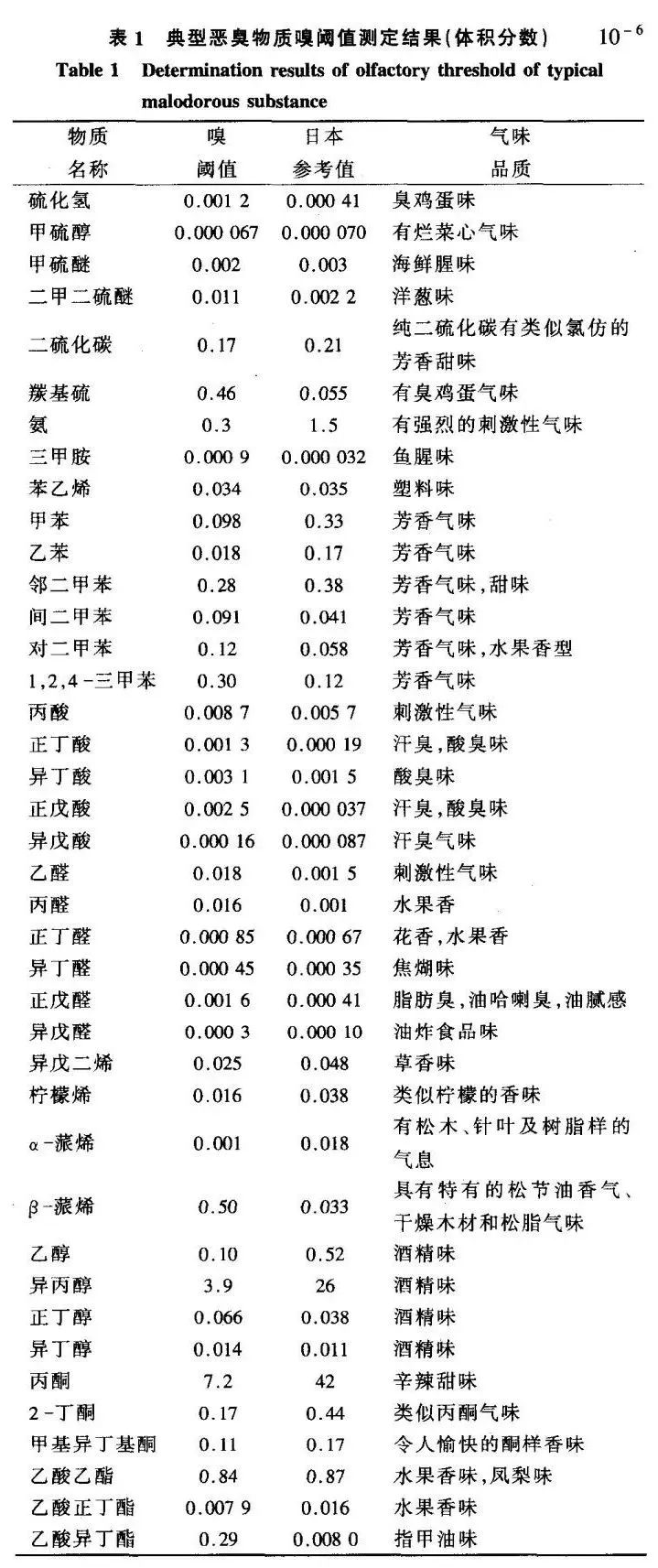
MVOC has a wide range of sources. In addition to dozens of processes such as chemical, fertilizer, rubber, oil refining, and leather, modern urban sewage treatment plants, landfills, and even motor vehicle exhaust are sources of odorous VOCs.
How to distinguish and determine the hazard level of invisible odorous gases?
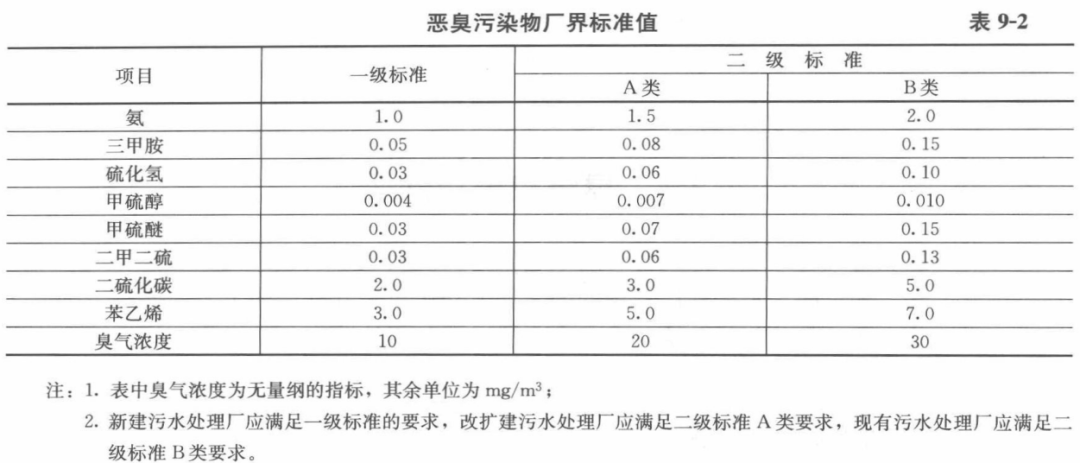
Emission standards for odorous gases: China has issued the "Emission Standards for Odorous Pollutants" GB14554-1993, which imposes restrictions on typical pollutants. The table below lists the factory boundary standard limits for odorous pollutants in this standard.
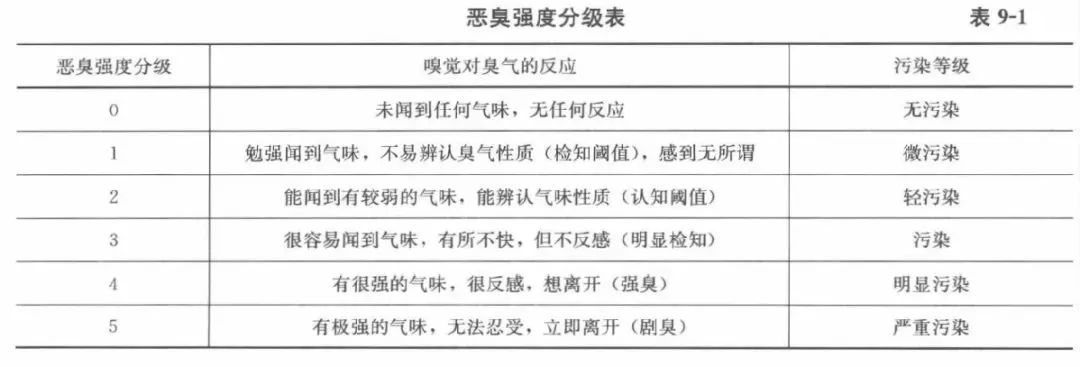
Evaluation criteria for odorous gases:There are many methods for grading the intensity of odorous gases at home and abroad, which vary depending on the country and region. In China, the intensity of odorous gases is divided into 6 levels, and the grading situation is shown in the following table:
At present, the main odor monitoring methods in China are:
Based on the analysis of the testing methods used in research papers in China, odor pollution can be classified into three categories from the perspective of detection mechanisms, as shown in the table below.
The first type is testing methods based on the human sensory system,This type of testing method is also the main difference from other types of air pollution such as VOCs, particulate matter, etc. Odor intensity, odor concentration, etc. are also important indicators to determine whether odor pollution occurs.
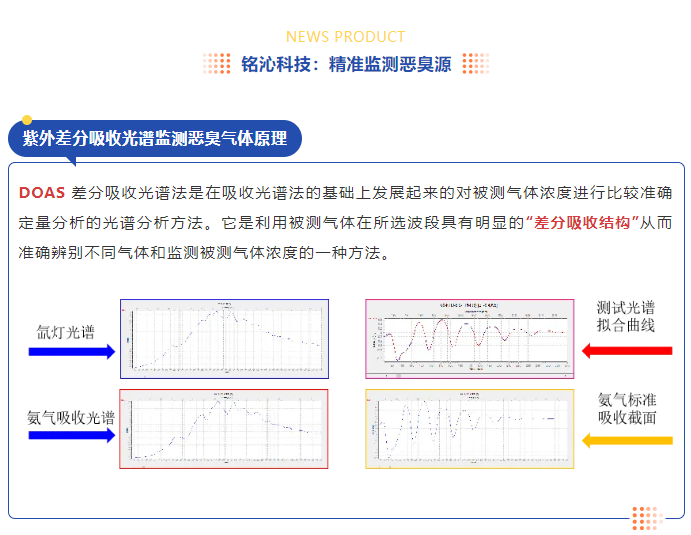
The second type is based on instrument analysis testing methods,The main focus is on quantitative detection of odor components, such as ultraviolet differential absorption spectroscopy, which has always been the main quantitative analysis technique.
The third type is based on sensor technology for monitoring and analysis,The sensor detection technology led by electronic nose has become an important supplement to sensory testing and instrument analysis methods. Sensor detection technology can quickly and real-time carry out monitoring and analysis, and has low testing costs. The disadvantage is that the test results have significant limitations, and it is difficult to play a stable role in the face of complex odor component pollution, odor scene changes, and other situations.
Source: Yangtze River Delta VOCs Governance Industry University Research Application Alliance
Disclaimer: This account maintains neutrality in regards to reprinting, sharing, statements, etc., for the purpose of industry communication only, and the copyright belongs to the original author. If there are any copyright and intellectual property infringement issues, please contact the backend of this account and delete the content immediately.
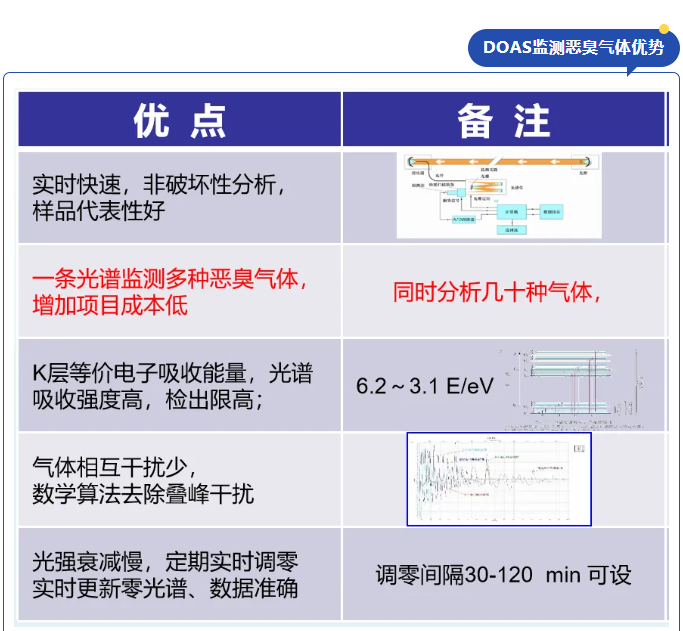
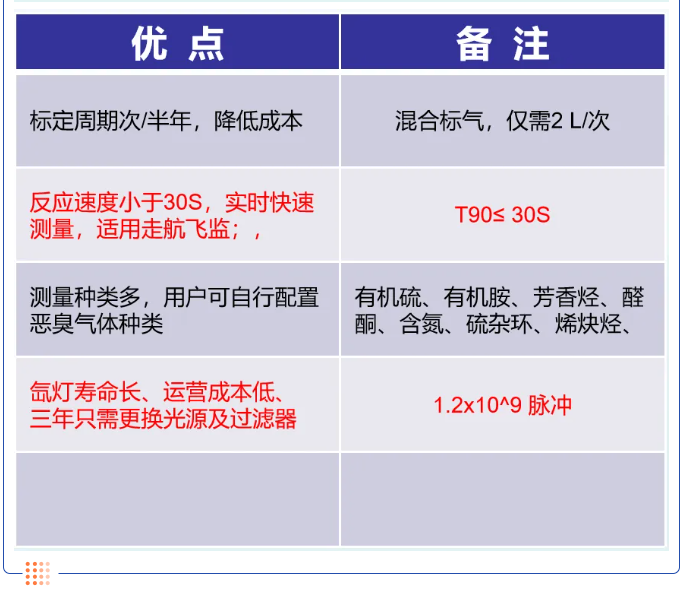
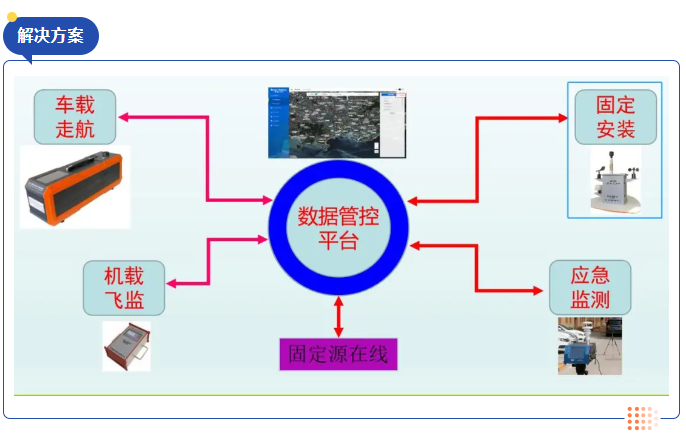
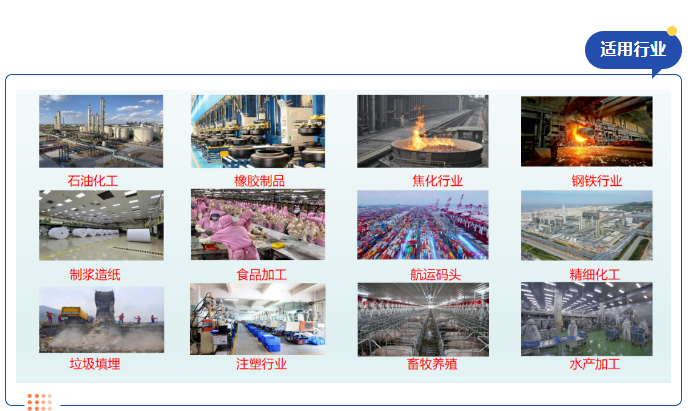
The Mingqin PHG-9500 portable toxic and harmful gas detector and the Mingqin OHG-9500 online toxic and harmful gas detector both perform well in odor gas monitoring, with advantages such as high precision, multi-component analysis, and real-time online monitoring. Provide users with comprehensive analysis, easy and efficient maintenance, reliable and durable monitoring solutions for strong odorous gases.

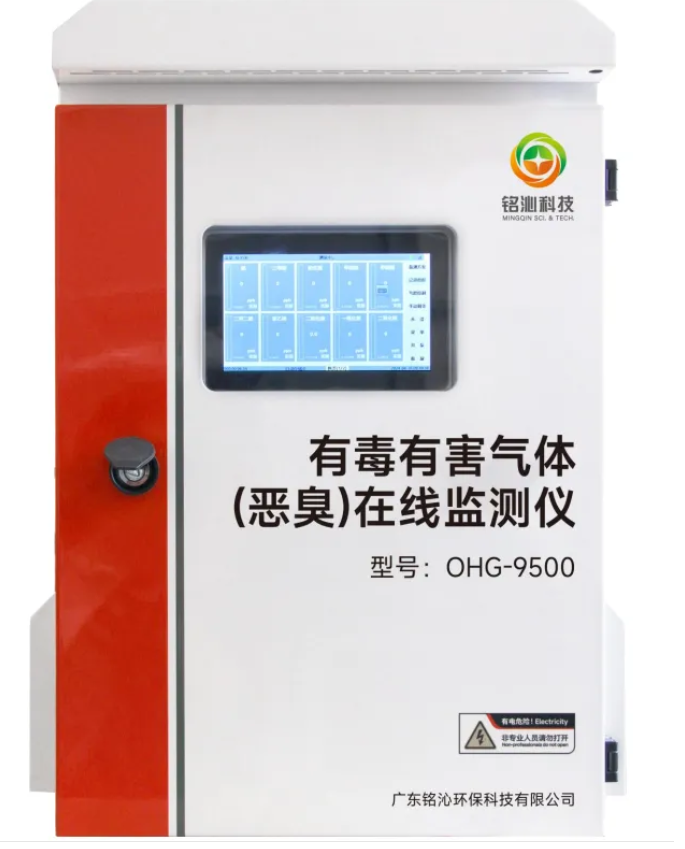
Introduction:
Mingqin OHG-9500 online toxic and harmful gas detector is an online monitoring device designed specifically for odor gas monitoring.This instrument can continuously and automatically monitor the concentration of odorous gases in the environment, providing strong support for environmental protection, urban planning, and residents' health.
Advantages:
High sensitivity:With extremely high sensitivity, it can capture extremely low concentrations of odorous gases, ensuring the accuracy of monitoring results.
Real time monitoring and traceability:Through continuous online monitoring, it is possible to grasp the distribution and changing trends of odorous gases in the environment in real time, which helps to quickly locate pollution sources and effectively control them.
Intelligent Analysis:Built in intelligent analysis system that can automatically process and analyze monitoring data, providing users with intuitive monitoring reports and governance recommendations.
Strong durability:Made with high-quality materials and advanced technology, it has good corrosion resistance and stability, suitable for long-term operation in harsh environments.
Remote monitoring:Supports remote monitoring function, allowing users to view monitoring data and device status at any time through the network, improving management efficiency.
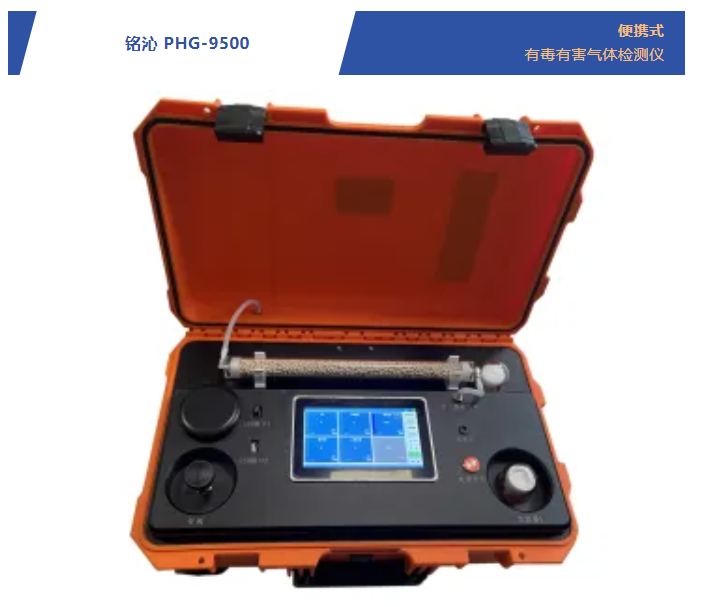
Introduction:
The Mingqin PHG-9500 portable toxic and harmful gas detector is a high-precision and multifunctional gas analysis equipment developed by Guangdong Mingqin Environmental Protection Technology Co., Ltd.This instrument can simultaneously monitor multiple gas components, including but not limited to common odorous gases such as hydrogen sulfide, ammonia, volatile organic compounds (VOCs), etc. It is widely used in environmental monitoring, industrial emission control, chemical park supervision and other fields.
Advantages:
High precision measurement:Advanced gas sensing technology and high-precision algorithms are used to ensure accurate and reliable measurement results, meeting strict monitoring requirements.
Multi component analysis:supports simultaneous analysis of multiple gas components, providing users with comprehensive odor gas monitoring data.
Navigation monitoring: With high portability, it can be equipped with a navigation vehicle to achieve real-time online monitoring, reflecting the changes in odorous gases in the environment in real time, and achieving precise traceability of odor sources.
Intelligent alarm: Built in intelligent alarm system, when the monitoring data exceeds the preset threshold, it can automatically trigger an alarm to remind users to handle it in a timely manner.
Easy to maintain: The instrument design is reasonable, easy to maintain, and reduces the operating costs for users.


