




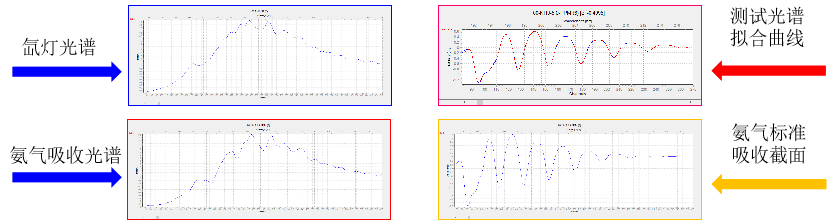
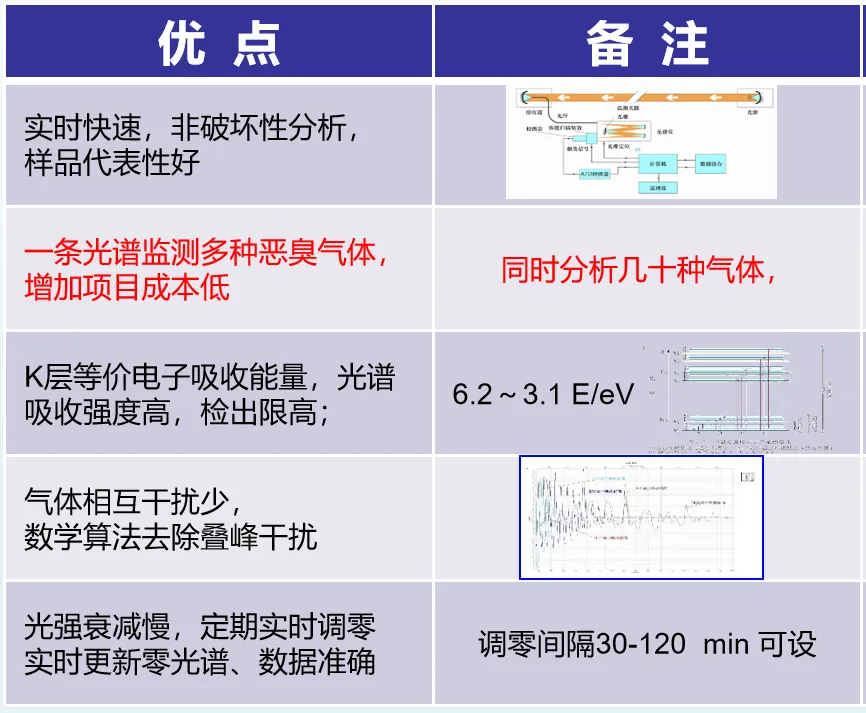
DOAS differential absorption spectroscopy is a spectral analysis method developed on the basis of absorption spectroscopy for accurate quantitative analysis of the concentration of the measured gas. It is a method of accurately identifying different gases and monitoring the concentration of the measured gas by utilizing the distinct "differential absorption structure" of the measured gas in the selected frequency band.



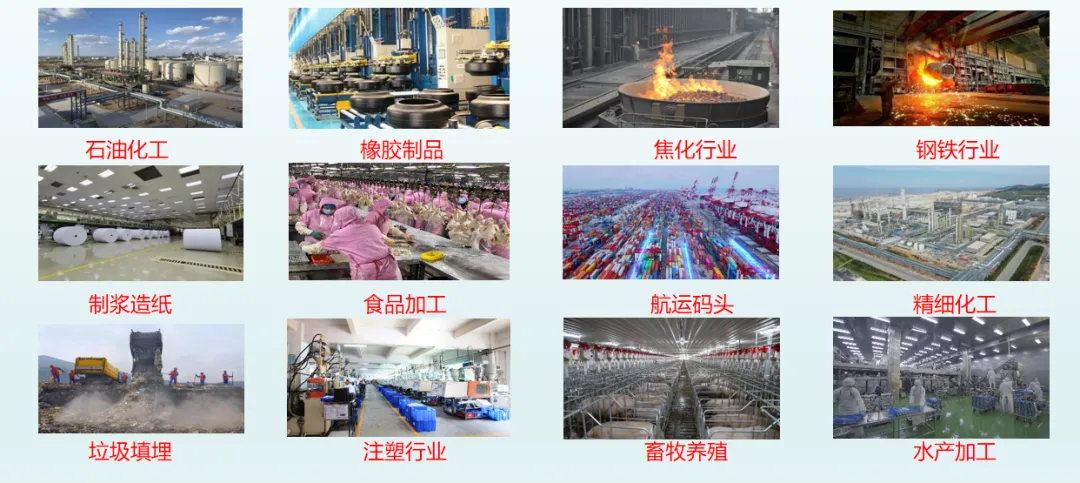
The Mingqin PHG-9500 portable ultraviolet differential multi gas detector and Mingqin OHG-9500 online ultraviolet differential multi gas detector both perform well in odor gas monitoring, with advantages such as high precision, multi-component analysis, and real-time online monitoring. Provide users with comprehensive analysis, easy and efficient maintenance, reliable and durable monitoring solutions for strong odorous gases.

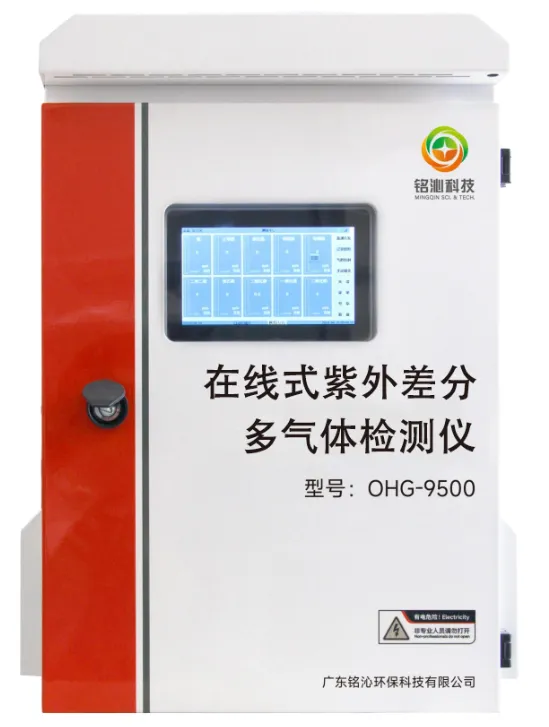
Introduction:
The Mingqin OHG-9500 online ultraviolet differential multi gas detector is an online monitoring device designed specifically for odor gas monitoring.This instrument can continuously and automatically monitor the concentration of odorous gases in the environment, providing strong support for environmental protection, urban planning, and residents' health.
Advantages:
high sensitivity:It has extremely high sensitivity and can capture extremely low concentrations of odorous gases, ensuring the accuracy of monitoring results.
Real time monitoring and traceability:通过连续在线监测,能够实时掌握环境中恶臭气体的分布和变化趋势,有助于快速定位污染源并进行有效治理。
Analysis:Built in intelligent analysis system, capable of automatically processing and analyzing monitoring data, providing users with intuitive monitoring reports and governance recommendations.
Strong durability:Made with high-quality materials and advanced technology, it has good corrosion resistance and stability, suitable for long-term operation in harsh environments.
Remote monitoring:Support remote monitoring function, users can view monitoring data and device status at any time through the network, improving management efficiency.
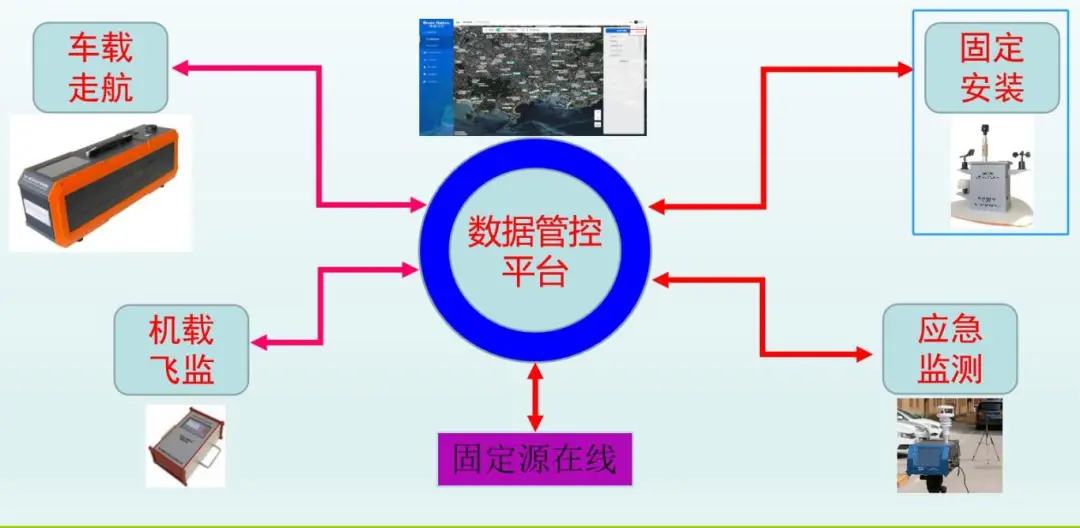
The Mingqin OHG-9500 online ultraviolet differential multi gas detector can accurately perform qualitative and quantitative analysis of ambient air gases, volatile organic compounds (VOCs), and harmful gaseous pollutants (HAPs) emitted from production processes such as industrial parks, landfills, sewage treatment plants, and livestock farms. Mainly used for grid monitoring of odorous gases, production process detection, leak detection, safety alarm, laboratory air quality monitoring, home indoor air quality monitoring, natural gas organic sulfur monitoring, etc.
The detection chamber adopts a folded WHITE CELL optical path design, with long optical path, high gas resolution, and low detection limit;
2
Equipped with a data transmission module, it can send measurement results to designated terminals;
3
High performance spectrometer with high resolution and stable performance;
4
High measurement accuracy, using DOAS (Differential Optical Absorption Spectroscopy) algorithm, the measurement results are not affected by factors such as smoke and moisture, and the measurement accuracy is high; Meanwhile, the DOAS algorithm also eliminates errors caused by instrument aging, resulting in good measurement stability;
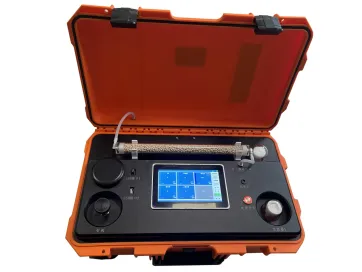
Introduction:
The Mingqin PHG-9500 portable ultraviolet differential multi gas detector is a high-precision and multifunctional gas analysis equipment developed by Guangdong Mingqin Environmental Protection Technology Co., Ltd.This instrument can simultaneously monitor multiple gas components, including but not limited to common malodorous gases such as hydrogen sulfide, ammonia, and volatile organic compounds (VOCs), and is widely used in environmental monitoring, industrial emission control, chemical park supervision and other fields.
Advantages
High-precision measurement:By adopting advanced gas sensing technology and high-precision algorithms, the measurement results are ensured to be accurate and reliable, meeting strict monitoring requirements.
Multi-component analysis:Supports simultaneous analysis of multiple gas components, providing users with comprehensive malodorous gas monitoring data.
Navigation monitoring:Highly portable, it can be equipped with a mobile vehicle for real-time online monitoring, reflecting changes in odorous gases in the environment in real time, and achieving precise traceability of odor sources.
Intelligent alarm:Built in intelligent alarm system, when monitoring data exceeds the preset threshold, it can automatically trigger an alarm to remind users to handle it in a timely manner.
Easy to maintain:The instrument design is reasonable, easy to maintain, and reduces the operating costs for users.
The Mingqin PHG-9500 portable ultraviolet differential multi gas detector can meet the business needs of environmental emergency monitoring, law enforcement inspection, and rapid inspection. It can continuously monitor the real-time concentration of gases emitted from unorganized emission sources, working environments, and residential spaces of industrial and mining enterprises, and upload it to the data management platform.
Modular design of sensors with temperature control compensation function;
2
Adopting ultraviolet differential absorption spectroscopy, with multiple detection items, standard molecular spectra can be added according to requirements to increase monitoring items;
3
Gas absorption cell integrated multiple reflection type, with a light path of up to 7 meters, greatly improving detection resolution;
4
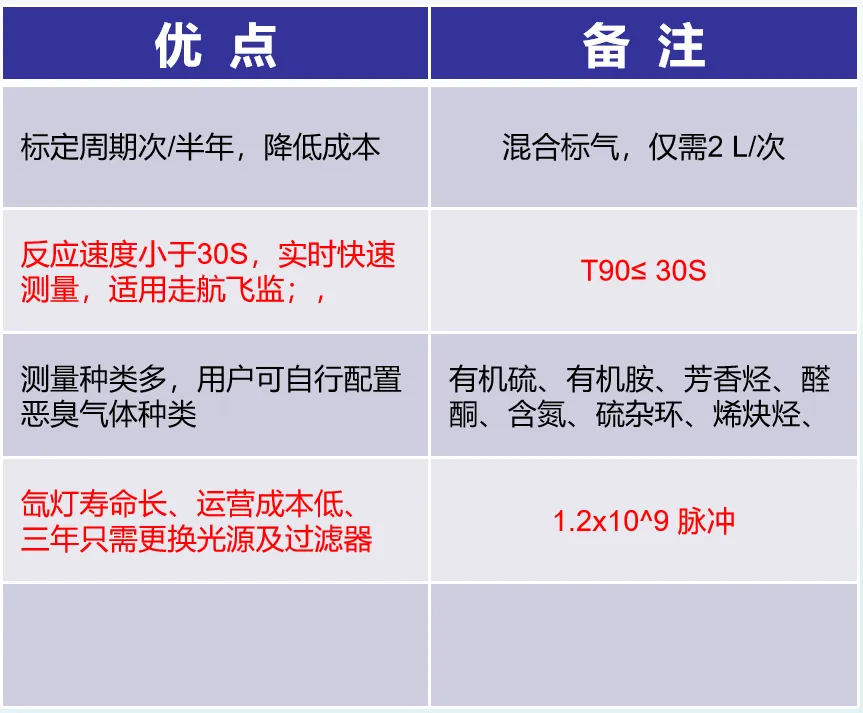
According to the needs, users can expand the determination of aromatic hydrocarbons such as aniline, phenol, chlorobenzene, naphthalene, anthracene, sulfur-containing organic compounds such as dimethyl sulfoxide, nitrogen-containing organic compounds such as ethylamine, formamide, and acetamide, olefin organic compounds such as ethylene, butene, isobutene, and styrene, and aldehyde organic compounds such as formaldehyde, acetaldehyde, and benzaldehyde in industrial parks; Gas concentrations of heterocyclic organic compounds such as pyrrole, pyridine, thiophene, etc.


