



The types and compositions of atmospheric organic pollutants are relatively complex, with common compounds including straight chain hydrocarbons (alkanes, alkenes, alkynes), cycloalkanes, aromatic hydrocarbons, oxygen-containing compounds (aldehydes, ketones, esters, alcohols), benzene derivatives, halogenated hydrocarbons, etc. VOCs, TVOC, and NMHC are common organic pollutant characterization indicators in the process of environmental monitoring and evaluation.
These indicators are of great significance for environmental monitoring, but they are easily confused due to differences in meaning, monitoring items, monitoring methods, etc. In different environmental monitoring processes, selecting appropriate monitoring indicators and adopting the correct monitoring methods and evaluation system are necessary for the reliability of the monitoring results. Therefore, correctly distinguishing the differences between VOCs, TVOC, and NMHC non methane total hydrocarbons and applying them to practical work is an essential skill for environmental workers.
Volatile Organic Compounds (VOCs)
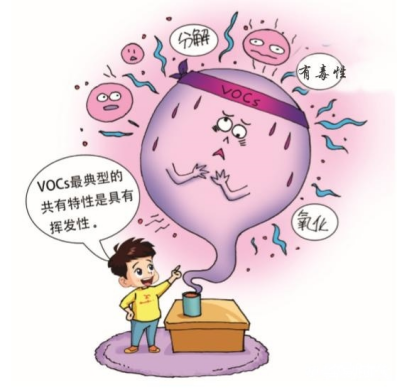
Definition: VOCs is the abbreviation for volatile organic compounds. In China, VOCs refer to organic compounds with a saturated vapor pressure greater than 70 Pa at room temperature and a boiling point below 260 ℃ at atmospheric pressure, or all organic compounds with a vapor pressure greater than or equal to 10 Pa and volatility at 20 ℃.
Total volatile organic compounds (TVOC)
Definition: Using prescribed monitoring methods to measure individual VOCs substances in exhaust gas, adding them up to obtain the total amount of VOCs substances, calculated as the sum of the mass concentrations of individual VOCs substances. In practical work, it is necessary to measure and add up the individual VOCs substances that account for more than 90% of the total amount according to the expected analysis results.
Non methane total hydrocarbons (NMHC)
Definition: The total amount of gaseous organic compounds other than methane that respond to a hydrogen flame ionization detector using prescribed monitoring methods, measured in terms of carbon mass concentration.
National definitions of VOCs
The American ASTM D3960-98 standard defines VOCs as any organic compound that can participate in atmospheric photochemical reactions. The definition of volatile organic compounds by the US Environmental Protection Agency (EPA) is any carbon compound that participates in atmospheric photochemical reactions, except for carbon monoxide, carbon dioxide, carbonic acid (H ₂ CO ∝), metal carbides, metal carbonates, and ammonium carbonate.
The World Health Organization (WHO, 1989) defines total volatile organic compounds (TVOC) as the collective term for volatile organic compounds with a melting point below room temperature and a boiling point between 50-260 ℃.
What are the industries involved in VOCs emissions?
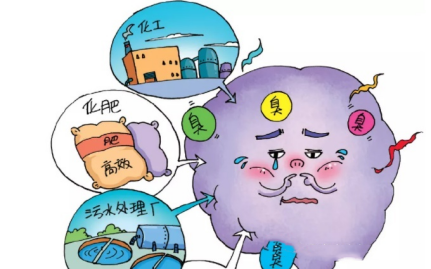
The key industries for volatile organic compounds include: petrochemical industry, chemical industry, industrial coating, packaging printing, oil storage and gas stations.
1. The petrochemical industry includes the petroleum refining industry and the petrochemical industry. The petroleum refining industry is an industry that uses crude oil, heavy oil, and other raw materials to produce gasoline fractions, diesel fractions, fuel oil, lubricants, petroleum wax, petroleum asphalt, and petrochemical raw materials.
Petrochemical industry: an industry that produces organic chemicals, synthetic resins, synthetic fibers, synthetic rubber, etc. using petroleum fractions, natural gas, and other main raw materials.
Specific industry categories: crude oil processing and petroleum product manufacturing (2511), organic chemical raw material manufacturing (2614), primary form plastic and synthetic resin manufacturing (2651), synthetic rubber manufacturing (2652), synthetic fiber monomer (polymer) manufacturing (2653), and other synthetic material manufacturing (2659).
2. The chemical industry includes industries such as petroleum, coal, and other fuel processing (such as modern coal chemical industry), chemical raw material and chemical manufacturing (chemical pesticide manufacturing, coating manufacturing, etc.), pharmaceutical manufacturing (chemical raw material drug manufacturing, veterinary drug manufacturing, etc.), chemical fiber manufacturing (polyester fiber manufacturing, nylon fiber manufacturing, etc.), rubber and plastic products industry (tire manufacturing, plastic film manufacturing, etc.).
3. Industrial coating includes industrial coating processes in industries such as automobile manufacturing, shipbuilding, transportation equipment manufacturing, furniture manufacturing, coil manufacturing, metal products, general equipment manufacturing, specialized equipment manufacturing, plastic products, electrical machinery and equipment manufacturing, computer, communication, and other electronic equipment manufacturing.
4. Packaging printing includes plastic flexible packaging printing, color box printing, tin can printing, label printing, etc.
5. An oil storage facility refers to a pollutant discharge unit composed of oil storage tanks that receive, transport (including store) crude oil, refined oil, and other oil products through tank trucks, railway tankers, ships, or pipelines.
6. A gas station refers to a polluting unit composed of oil storage tanks, fuel dispensers, and fuel guns that add finished oil to motor vehicles.
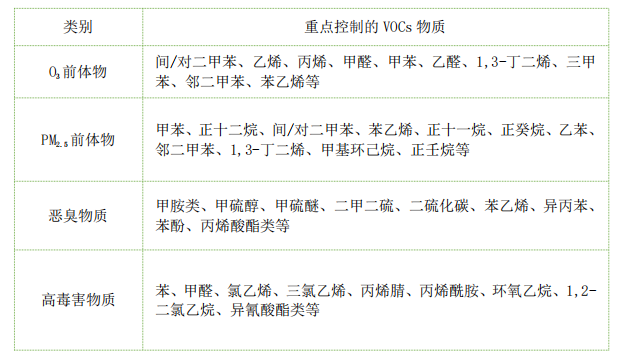
Key controlled VOCs substances
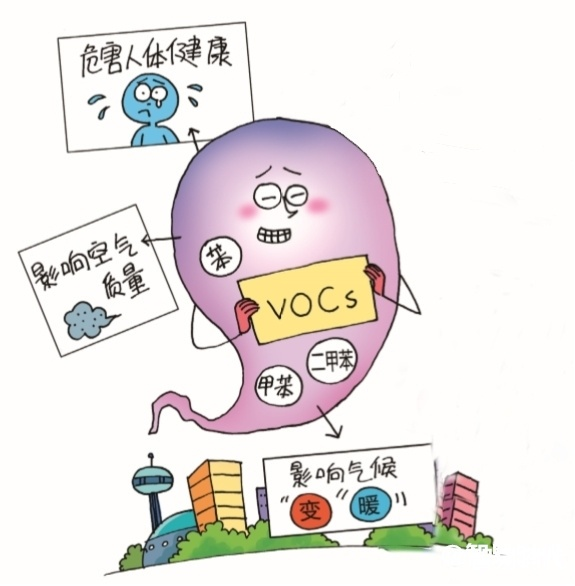
The main problems in VOCs control
One issue is insufficient control at the source. The use of organic solvents and other VOCs containing raw and auxiliary materials is an important source of VOCs emissions. Due to inadequate ideological understanding, insufficient policy incentives, and high investment costs, there is currently a significant lack of source substitution measures for low VOCs content raw and auxiliary materials. According to statistics, the proportion of low VOC content coatings such as water-based and powder coatings in China's industrial coatings is less than 20%, which is lower than the level of 40% -60% in developed countries such as Europe and America.
The second issue is the prominent problem of unorganized emissions. VOCs have strong volatility, involve a wide range of industries, involve multiple production and discharge links, and have obvious characteristics of unorganized emissions. Although the Air Pollution Prevention and Control Law and other regulations require the closure of unorganized VOCs emissions, currently large and widespread enterprises have not taken effective control measures, especially small and medium-sized enterprises with poor management level, low collection efficiency, and prominent emission problems. Research shows that unorganized emissions account for over 60% of industrial VOCs emissions in China.
The third issue is that pollution control facilities are simple and inefficient. VOCs exhaust gas has complex components, diverse treatment technologies, significant differences in applicability, and high requirements for technology selection and system compatibility. The VOCs treatment market in China started relatively late, with low entry barriers and insufficient regulatory capacity. The quality of pollution control facilities varies greatly, with prominent phenomena such as ineffective and ineffective treatment. In some regions, the application of low efficiency technologies such as low-temperature plasma, photocatalysis, and photooxidation can reach over 80%, resulting in poor pollution control effects. Due to non-standard design and system mismatch, some enterprises have not achieved the expected pollution control effect even if they choose efficient governance technologies.
Fourthly, the operation and management are not standardized. VOCs governance requires comprehensive strengthening of process control and implementation of refined management, but currently, enterprises generally have problems such as inadequate management systems, lack of established operating procedures, and insufficient technical capabilities of personnel. Some enterprises adopt activated carbon adsorption technology, but do not replace the adsorption materials for a long time; Some enterprises adopt combustion and condensation treatment technologies, but the operating temperature cannot meet the design requirements; Some companies have carried out leak detection and repair (LDAR) work, but have not followed the procedures.
The fifth issue is inadequate monitoring and surveillance. The VOCs monitoring work in China is still in its infancy, and the quality of self-monitoring by enterprises is generally not high. The problems of unreasonable point settings, non-standard sampling methods, and weak representativeness of monitoring periods are prominent. Some key enterprises have not been equipped with automatic monitoring facilities as required. There is a lack of effective monitoring, traceability, and warning measures for VOCs emissions in industrial parks and clusters. From a regulatory perspective, there is a lack of effective means such as on-site rapid detection, and insufficient applications such as flight monitoring and grid monitoring.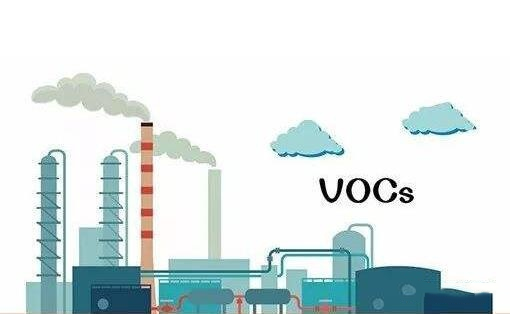
Control ideas and requirements
The main ways to reduce VOCs emissions are considered from three aspects: source substitution, process control, and end of pipe treatment.
Firstly, there is great potential to reduce the use and emissions of VOCs from the source, which is the fundamental way to reduce VOCs emissions. The biggest link in industrial source emissions is the adaptation of solvents, which includes four aspects: coating, packaging printing, adhesive use and cleaning. These four aspects have great potential for source substitution. Nowadays, many industries can completely replace water-based coatings, such as the automotive industry, where substitution work has been fully carried out.
Secondly, in terms of process control, strengthening the control of production process links is the main way to reduce VOCs leakage and unorganized emissions. For example, in industries such as petrochemicals and chemicals, to achieve VOCs emissions reduction, a complete set of leak detection management systems is first required. Nowadays, various regions across the country, including some refining enterprises and large petrochemical companies, have done a lot of work in this regard. The first priority for reducing VOCs emissions in various regions is leak detection and repair LDAR technology. In the solvent adaptation industry, such as coating production, ink production, and other production processes, VOCs emissions are inevitable due to the special properties of their production processes. In these stages, the first step is to effectively collect VOCs. If they cannot be collected, they cannot be treated, which is the prerequisite for treatment. Article 45 of the new Air Pollution Prevention and Control Law clearly stipulates that production and service activities that generate volatile organic compound waste gas should be carried out in enclosed spaces, and the waste gas should be collected and treated after collection. If it is impossible to collect the waste gas, measures should be taken during the leakage process to reduce its emissions.
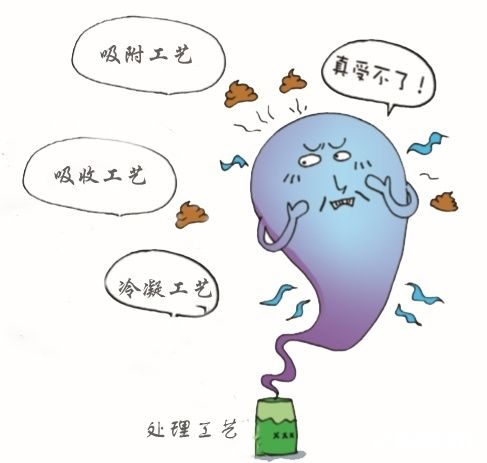
Thirdly, the issue of end of pipe governance. The main task of VOCs pollution prevention and control in key industries is to achieve standard emissions through end of pipe treatment. End of pipe treatment is only a temporary measure, but now due to the large stock, enterprises cannot produce without end of pipe treatment. In many production processes involving VOCs as raw materials, VOCs emissions are inevitable, but after emissions, they must be treated, such as end of pipe treatment for oil and gas recovery, gas stations, oil depots, and docks.
National VOCs Emission Standards
At present, there are no regulations for VOCs exhaust emission standards, and all comply with the mandatory national standards of "Unorganized Emission Control Standards for Volatile Organic Compounds" (GB37822-2019), "Emission Standards for Air Pollutants from Coatings, Inks and Adhesives Industry" (GB37824-2019), and "Emission Standards for Air Pollutants from Pharmaceutical Industry" (GB37823-2019).
Local VOCs emission standards
Beijing
Emission Standards for Air Pollutants in the Electronic Industry (DB11/1631-2019)
Gas Station Oil and Gas Emission Control and Limits (DB11/208-2019)
Emission Standards for Air Pollutants in the Catering Industry (DB11/1488-2018)
Standard for Volatile Organic Compound Content Limits of Architectural Coatings and Adhesives (DB11/3005-2017)
Emission Standards for Air Pollutants in the Automotive Manufacturing Industry (Coating Process) (DB11/1227-2015)
Comprehensive Emission Standards for Air Pollutants in Beijing (DB11/501-2017)
Emission Standards for Air Pollutants from Organic Chemical Manufacturing Industry in Beijing (DB11/1385-2017)
Emission Standards for Air Pollutants in the Automotive Maintenance Industry (DB11/1228-2015)
Emission Standards for Air Pollutants from Industrial Coating Processes (DB11/1226-2015)
Emission Standards for Volatile Organic Compounds in Printing Industry (DB1/1201-2015)
Emission Standards for Air Pollutants from Refining and Petrochemical Industries (DB11/447-2015)
Emission Standards for Air Pollutants from Wooden Furniture Manufacturing Industry (DB11/1202-2015)
Air pollutant emission standards for waterproofing membrane industry (DB11/1055-2013)
Oil and gas emission control and limit values for tanker trucks (DB11/207-2010)
Oil and Gas Emission Control and Limits for Oil Storage Tanks (DB11/206-2010)
Tianjin
Emission Control Standards for Volatile Organic Compounds in Industrial Enterprises (DB12/524-2014)
Emission Standards for Cooking Fumes in the Catering Industry (DB12/644-2016)
Shanghai
Air Pollutant Emission Standards for Furniture Manufacturing Industry (DB31/1059-2017)
Emission Standards for Odor (Odor) Pollutants (DB31/1025-2016)
Comprehensive Emission Standards for Air Pollutants (DB31/933-2015)
Emission Standards for Air Pollutants in the Shipbuilding Industry (DB31/934-2015)
Emission Standards for Air Pollutants in the Manufacturing Industry of Coatings, Inks, and Similar Products (DB31/881-2015)
Emission Standards for Air Pollutants in Printing Industry (DB31/872-2015)
Emission Standards for Air Pollutants from Automotive Manufacturing (Painting) Industry (DB31/859-2014)
Emission Standards for Cooking Fumes in the Catering Industry (DB31/844-2014)
Pollutant Emission Standards for Biopharmaceutical Industry (DB31/373-2010)
Emission Standards for Pollutants in the Semiconductor Industry (DB31/374-2006)
Chongqing
Emission Standards for Air Pollutants in the Catering Industry (DB50/859-2018)
Air Pollutant Emission Standards for Furniture Manufacturing Industry (DB50/757-2017)
Emission Standards for Air Pollutants in Packaging and Printing Industry (DB50/758-2017)
Emission Standards for Air Pollutants in the Automotive Maintenance Industry (DB50/661-2016)
Emission Standards for Air Pollutants from Surface Coating of Motorcycle and Automotive Parts Manufacturing (DB50/660-2016)
Comprehensive Emission Standards for Air Pollutants (DB50/418-2016)
Emission Standards for Air Pollutants from Surface Coating of Automobile Manufacturing (DB50/577-2015)
Liaoning
Emission Standards for Volatile Organic Compounds in Industrial Coating Processes (DB21/3160-2019)
Emission Standards for Volatile Organic Compounds in the Printing Industry (DB21/3161-2019)
Hebei
Standard for Volatile Organic Compound Content Limits of Architectural Coatings and Adhesives (DB13/3005-2017)
Emission Control Standards for Volatile Organic Compounds in Industrial Enterprises (DB13/2322-2016)
Emission Standards for Volatile Organic Compounds and Odor Characteristics of Penicillin Pharmaceuticals (DB13/2208-2015)
Henan province
Emission Standards for Oil Fume Pollutants in the Catering Industry (DB41/1604-2018)
Shandong
Volatile Organic Compounds Emission Standards Part 1: Automotive Manufacturing Industry (DB37/2801.1-2016)
Emission Standards for Volatile Organic Compounds Part 2: Aluminum Profile Industry (DB37/2801.2-2019)
Volatile Organic Compounds Emission Standards Part 3: Furniture Manufacturing Industry (DB37/2801.3-2017)
Volatile Organic Compounds Emission Standards Part 4: Printing Industry (DB37/2801.4-2017)
Volatile Organic Compounds Emission Standards Part 5: Surface Coating Industry (DB37/2801.5-2018)
Volatile Organic Compounds Emission Standards Part 6: Organic Chemical Industry (DB37/2801.6-2018)
Volatile Organic Compounds Emission Standards Part 7: Other Industries (DB37/2801.7-2019)
Emission Standards for Volatile Organic Compounds and Odor Pollutants from Wastewater Treatment Plants (Stations) of Organic Chemical Enterprises (DB37/3161-2018)
Jiangsu
Emission Standards for Volatile Organic Compounds in the Chemical Industry (DB32/3151-2016)
Emission Standard for Volatile Organic Compounds from Surface Coating (Furniture Manufacturing Industry) (DB32/3152-2016)
Emission Standards for Volatile Organic Compounds in Surface Coating (Automotive Manufacturing Industry) (DB32/2862-2016)
Zhejiang
Emission Standards for Air Pollutants from Industrial Coating Processes (DB33/2146-2018)
Emission Standards for Air Pollutants in the Shoe Industry (DB33/2046-2017)
Emission Standards for Air Pollutants from Chemical Synthesis Pharmaceutical Industry (DB33/2015-2016)
Emission Standards for Air Pollutants in Textile Dyeing and Finishing Industry (DB33/962-2015)
Pollutant Emission Standards for Biopharmaceutical Industry (DB33/923-2014)
Jiangxi
Volatile Organic Compounds Emission Standards Part 1 Printing Industry (DB36/1101.1-2019)
Volatile Organic Compounds Emission Standards Part 2 Organic Chemical Industry (DB61101.2-2019)
Volatile Organic Compounds Emission Standards Part 3: Pharmaceutical Manufacturing Industry (DB36/1101.3-2019)
Volatile Organic Compounds Emission Standards Part 4: Plastic Products Industry (DB36/1101.4-2019)
Volatile Organic Compounds Emission Standards Part 5: Automotive Manufacturing Industry (DB36/1101.5-2019)
Volatile Organic Compounds Emission Standards Part 6 Furniture Manufacturing Industry (DB36/1101.6-2019)
Fujian
Xiamen City Air Pollutant Emission Standards (DB35/323-2018)
Emission Standard for Volatile Organic Compounds in Industrial Coating Processes (DB35/1783-2018)
Emission Standards for Volatile Organic Compounds in the Printing Industry (DB35/1784-2018)
Emission Standards for Volatile Organic Compounds in Industrial Enterprises (DB35/1782-2018)
Emission Standards for Air Pollutants in the Shoe Industry (DB35/156-1996)
Guangdong
Emission Standards for Volatile Organic Compounds in Container Manufacturing Industry (DB44/1837-2016)
Emission Standards for Volatile Organic Compounds in the Shoe Industry (DB49/817-2010)
Emission Standards for Volatile Organic Compounds in the Printing Industry (DB41/815-2010)
Emission Standards for Volatile Organic Compounds in Furniture Manufacturing Industry (DB44/814-2010)
Emission Standard for Volatile Organic Compounds in Surface Coating (Automotive Manufacturing Industry) (DB44/816-2010)
Sichuan
Emission Standards for Volatile Organic Compounds from Fixed Pollution Sources in Sichuan Province (DB51/2377-2017)
Hubei
Emission Standards for Volatile Organic Compounds in the Printing Industry of Hubei Province (DB42/1538-2019)
Emission Standards for Volatile Organic Compounds from Surface Coating (Automotive Manufacturing Industry) in Hubei Province (DB42/1539-2019)
The above is the complete content of the "VOCs Exhaust Gas Emission Standards". This article is compiled on the Internet for reference only, subject to the actual situation.
Disclaimers
Text and image sources: This article is compiled online for sharing and communication purposes only, and has not been used for any commercial purposes. We maintain a neutral stance on the viewpoints presented in the article, which are for reference and communication purposes only. The copyright of the text content and images belongs to the original author. We respect originality, and if there is any infringement, please contact us promptly for handling!


